Freshly Milled Organic Artisan Flour
Price range: $1.89 through $3.89
Flour, Reimagined: Freshly Milled Organic Artisan Flour Just for You
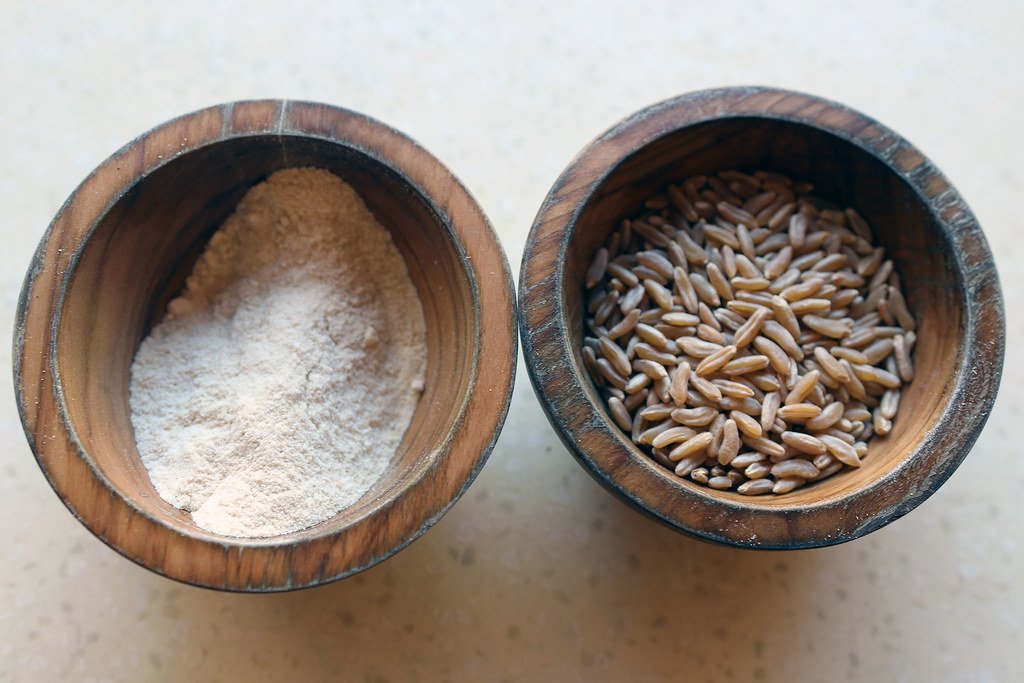
Experience the incredible aroma, flavor, and nutrition of truly Freshly Milled Organic Flour. Unlike industrial flour, we mill our grains to order. Simply enter the exact number of pounds you need in the box above, and we will mill it fresh for your pickup.
Our Commitment: 100% Organic & Trustworthy Sourcing
- At Risen Loaves , we believe that premium bread starts with premium earth. Every single grain on our menu is 100% certified organic and sourced exclusively from trusted, sustainable family farms and high-integrity distributors. We never compromise on our ingredients, ensuring your home bakes are free from chemical pesticides, synthetic fertilizers, and additives.
The Real Difference: Freshly Milled vs. Store-Bought
- The Missing Nutrients: Store-bought whole wheat flour is industrially processed. To make it shelf-stable for months, factories strip away the germ (which contains healthy oils and vitamins) and the bran (fiber), often adding artificial vitamins back in later.
- Oxidization: Real flour is a living food. The moment a grain is cracked open, its oils begin to oxidize, losing flavor and nutrition. Store-bought flour sits on shelves for months, becoming stagnant.
- Our Promise: Our flour contains 100% of the grain —germ, bran, and endosperm. It is a live, whole food packed with natural vitamins, minerals, and rich, nutty flavor that you can smell the second you open the bag.
The Fresh Flour Shelf-Life Timeline
- Room Temperature (Pantry): Up to 14 days. Keep it in a cool, dark place in an airtight container. For the absolute best aroma and nutritional value, it is ideal to use it within the first 3 to 7 days .
- In the Refrigerator: Up to 4 to 6 months. If kept in a tightly sealed, moisture-resistant container, the cold slows down the oxidation process dramatically.
- In the Freezer: Up to 6 to 12 months. Freezing is the ultimate way to store fresh flour. The freezing temperatures completely pause the breakdown of natural fats, locking the nutrition and flavor in place indefinitely.
Reminder If you choose to store the flour in the fridge or freezer, let it come to room temperature before mixing it into a sourdough recipe. Cold flour drops the dough temperature, which can drastically slow down their sourdough fermentation and rise times!
How to Tell if It Has Gone “Bad”
- Fresh Flour: Smells distinctly sweet, nutty, and like fresh grass or grain.
- Rancid Flour: Develops a sharp, sour, or play-dough-like smell. If it loses its sweet aroma and smells slightly metallic or stale, the oils have oxidized and it should be discarded.
Our Organic Grain Menu & Some Baking Guide
Organic Hard Red Winter Wheat:
- Protein Content: ~12.5% – 13.5%
- Health Benefits: High in dietary fiber, iron, B-vitamins, and essential antioxidants.
- Best Used For: Rustic sourdough loaves, hearty sandwich breads, pizza doughs, and baguettes.
- The Flavor: Bold, robust, and traditionally “wheaty” with a deep, earthy aroma.
Organic Hard White Wheat:
- Protein Content: ~12.0% – 13.0%
- Health Benefits: Packs all the nutritional punch of red wheat but contains less tannin, making it naturally sweeter and lighter in color.
- Best Used For: Whole wheat breads for kids, dinner rolls, tortillas, and artisan sandwich loaves.
- The Flavor: Mild, naturally sweet, and approachable without the classic bitter whole-wheat bite.
Organic Soft White Wheat:
- Protein Content: ~8.5% – 10.0% (Low Gluten)
- Health Benefits: Packed with minerals and light on gluten, making it highly digestible for delicate baked goods.
- Best Used For: Pastries, pie crusts, cookies, biscuits, pancakes, and quick breads.
- The Flavor: Delicate, buttery, and incredibly light.
Organic Durum (Semolina):
- Protein Content: ~13.0% – 15.0% (High protein, but very stretchy rather than strong/elastic)
- History & Lore: Durum is the hardest of all wheat classes and one of the oldest cultivated crops in the Mediterranean. Originating in the Fertile Crescent, it became the undisputed backbone of Italian culinary history, giving birth to the global pasta culture and traditional southern Italian breads like Pane di Altamura .
- Health Benefits: Exceptionally high in carotenoids (lutein), which give the flour its signature golden hue and act as powerful antioxidants. In addition to this, It is rich in folate, iron, while simultaneously maintain a lower glycemic index than common modern white wheat.
- Best Used For: Extruded or hand-rolled pasta dough, traditional yellow sourdough loaves (Semolina bread), pizza dough, and focaccia.
- The Flavor: Strikingly bright yellow color with a distinctly sweet, nutty, and almost buttery flavor profile.
Organic Spelt (Ancient Grain):
- Protein Content: ~11.0% – 12.5%
- History & Lore: Spelt is one of the oldest cultivated grains in human history, dating back over 7,000 years to ancient Mesopotamia and famously championed by the medieval mystic Hildegard von Bingen.
- Health Benefits: Its water-soluble gluten structure breaks down much easier than modern wheat, making it gentler on sensitive stomachs. Highly water-soluble proteins make it nutrient-dense.
- Best Used For: Specialty artisan sourdough, rustic flatbreads, muffins, and waffles.
- The Flavor: Distinctly nutty, complex, and subtly sweet.
Organic Einkorn (Ancient Grain):
- Protein Content: ~14.0% (But very low structural gluten).
- History & Lore: The ultimate primitive grain. Einkorn is the oldest known variety of ancestral wheat, dating back 10,000 years to the Fertile Crescent. It has never been hybridized or altered by modern agriculture.
- Health Benefits: Specifically, it is exceptionally high in lutein (a powerful antioxidant for eye health), zinc, iron, as well as vital trace minerals. Furthermore, because it features a completely different chromosome count than modern wheat, many people with non-celiac gluten sensitivities ultimately digest it beautifully.
- Best Used For: Quick breads, pancakes, cookies, crepes, or blended at 15–20% into your sourdough loaves for an artisan flavor boost.
- The Flavor: Rich, deeply golden color with a warm, nutty, almost toasted-caramel flavor profile.
Organic Emmer (Farro):
- Protein Content: ~13.5% – 14.5% (Very fragile gluten network)
- History & Lore: Known as the “Grain of the Pharaohs,” Emmer was a prominent staple in ancient Egypt and the primary grain used to bake bread in the ancient Mediterranean. It is one of the foundational crops of human civilization.
- Health Benefits: Emmer has a notably low glycemic index, causing a slow and steady release of blood glucose. It is incredibly rich in magnesium, iron, and dietary fiber.
- Best Used For: High-hydration rustic loaves baked in a loaf pan (behaves similarly to rye dough), traditional pastas, flatbreads, or as a flavorful flour addition to rustic artisan loaves.
- The Flavor: Intensely rich, deeply nutty, and slightly sweet with a dark, beautiful crumb
Organic Khorasan (Kamut):
- Protein Content: ~14.0% – 15.0% (High protein, smooth gluten).
- History & Lore: Khorasan is an ancient grain originating from modern-day Iran and Afghanistan. Legend tells that grains of Khorasan were found preserved in the stone tombs of Egyptian pharaohs, earning it the colloquial nickname “King Tut’s Wheat.”
- Health Benefits: To begin with, Whole Grain Khorasan is a non-hybridized hard spring wheat, making it an ancient relative of modern durum (semolina) wheat that develops a very large kernel. As a result of this unique structure, Khorasan has a rich, buttery flavor along with a delightful, chewy texture. Furthermore, it contains exceptionally high levels of lipids and energy-producing fats, while also boasting 30% higher protein than modern wheat. In addition to being richer in magnesium, zinc, and vitamin E, it likewise delivers a heavy dose of the antioxidant selenium. Finally, although it contains gluten, many wheat-sensitive people ultimately eat it without any adverse reaction.
- Best Used For: Premium pasta doughs, golden-hued sourdough loaves, and incredible artisan pizza crusts.
- The Flavor: Renowned for its rich golden color and famously smooth, rich, “buttery” flavor profile that lacks any whole-wheat bitterness.
Organic Rye:
- Protein Content: ~10.0% – 12.0% (Contains gliadin but almost no glutenin , meaning it cannot form a traditional gluten net)
- History & Lore: While wheat was preferred by southern European empires, cold-hardy Rye became the backbone of northern, central, and eastern European baking culture, giving rise to the famous dense, dark breads of Germany, Scandinavia, and Russia.
- Health Benefits: Exceptionally high in soluble fibers called pentosans , which create a high feeling of fullness and promote excellent gut health. It has a minimal impact on blood sugar levels.
- Best Used For: Traditional dark sourdoughs, pumpernickel, artisan inclusions, and adding depth, moisture, and longevity to your standard country loaves.
- The Flavor: Deeply earthy, tangy, complex, and subtly spicy.
Organic Buckwheat:
- Protein Content: ~12.0% – 13.0% (100% Gluten-Free )
- History & Lore: Despite its name, Buckwheat is not a type of wheat at all—it is a “pseudo-cereal” closely related to rhubarb and sorrel. First cultivated in Southeast Asia thousands of years ago, it became a beloved culinary pillar across Eastern Europe (as Kasha ) and Japan (for Soba noodles).
- Health Benefits: A complete plant-based protein containing all nine essential amino acids. It is uniquely rich in rutin , a powerful anti-inflammatory compound that reinforces cardiovascular health and lowers blood pressure.
- Best Used For: Traditional French crepes (galettes ), gluten-free pancakes, waffles, muffins, or blended into wheat flour at 5–10% to add an unforgettable rustic accent to sourdough crusts.
- The Flavor: Intensely robust, rustic, earthy, and distinctly nutty with a striking, dark speckled appearance.
Organic Rice Flour (Brown or White)
- Protein Content: ~6.5% – 8.0% (100% Gluten-Free )
- History & Lore: Rice is the foundational life-sustaining grain of Asian history, cultivated for over 8,000 years. Our freshly stone-milled rice flour yields a spectacularly fine, powdery texture completely unmatched by coarse, gritty store-bought varieties.
- Health Benefits: Naturally hypoallergenic, extraordinarily easy on sensitive digestive tracts, and completely free of gluten proteins.
- Best Used For: Shortbreads, gluten-free pastries, rice noodles, or as the ultimate secret weapon for bread bakers—dusting banneton proofing baskets (because it contains no gluten, wet bread dough will never stick to a basket dusted with rice flour!).
- The Flavor: Neutral, clean, light, and subtly sweet.
| Grain Type | Organic Hard Red Winter, Organic Hard White, Organic Soft White, Organic Durum (Semolina), Organic Spelt (Ancient), Organic Einkorn (Ancient), Organic Emmer (Ancient), Organic Khorasan (Ancient), Organic Rye, Organic Buckwheat (Gluten-Free), Organic Rice Flour (Gluten-Free) |
|---|
Related products
-

The 90% Whole Grain
Price range: $12.00 through $17.00Select options This product has multiple variants. The options may be chosen on the product page -
Multigrain Whole Wheat Sourdough Bread
Price range: $12.00 through $17.00Select options This product has multiple variants. The options may be chosen on the product page -
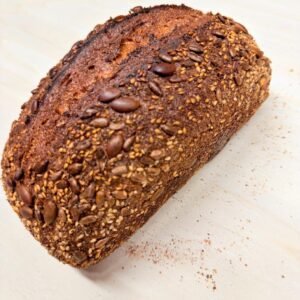
Frozen Sourdough Special
Price range: $6.00 through $9.00Select options This product has multiple variants. The options may be chosen on the product page -
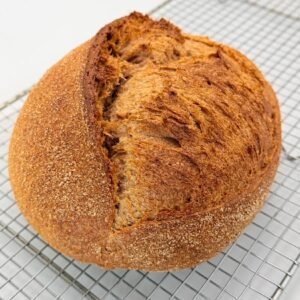
Whole Wheat Organic Sourdough Bread
Price range: $12.00 through $17.00Select options This product has multiple variants. The options may be chosen on the product page
Reviews
There are no reviews yet.